
May 2026
By Melissa Buck, LLBSW, Clinical Care Coordinator, Rose Hill Center
When people with mental illness need extra support and medication management and struggle with independence, housing options are challenging. Rose Hill Center’s Extended Care Residential program offers three unique houses with different levels of support. Residents range in age from 20 to 70+ years and arrive from the community or through Rose Hill’s residential program.
Most residents have a diagnosis of schizophrenia, schizoaffective disorder, or bipolar disorder, but our program is not limited to those diagnoses. Our clinical team evaluates everyone before they enter the program to ensure it is the right match. Therapy and doctor visits are individualized; some extended program residents also take part in group therapy. As Clinical Care Coordinator, I meet with each resident weekly. If there is a change or they need to see their psychiatrist sooner than usual, or see our nurse practitioner or a physician, I coordinate those visits so they receive appropriate care quickly.
Because people have diverse needs and lifestyles, we have three houses with different environments. Each house is staffed 24/7.
- Malta House: A higher level of support, Malta house has 12 individual rooms and six bathrooms. The welcoming living space overlooks Lake Hope, where residents relax, play games and socialize. Meals are provided at the café on Rose Hill’s campus. Residents receive assistance with medication and prompts for personal or other care needs. Staff support and engagement can be more involved here than in our other two houses.
- Horton House: Everyone at Horton House works on or off-campus in a volunteer position or has paid employment off-campus. They prepare their own meals, and pitch in with housework. A former farmhouse, it is near the barn and Rose Hill’s 100+ animals. With just five residents who share the kitchen and common areas, it offers a homey environment.
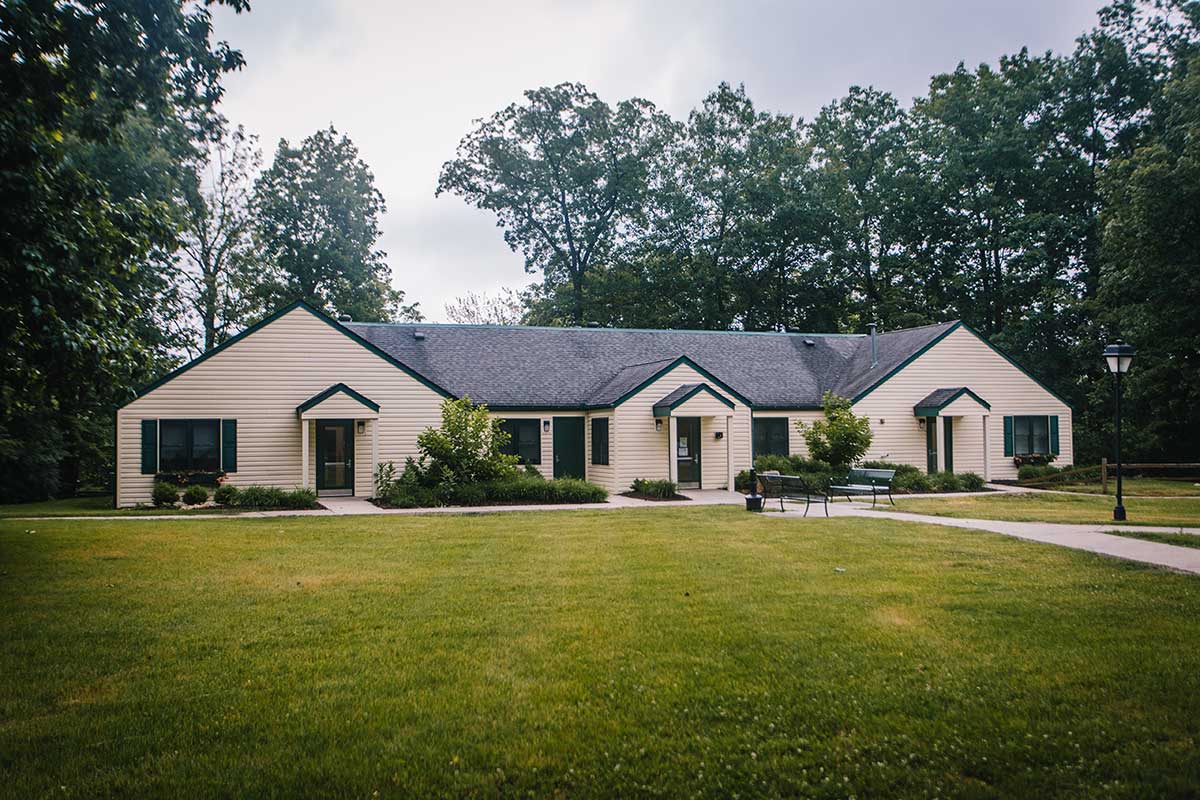
- John Kelly House: Completed in 2026, John Kelly is our newest home, offering six individual rooms with three spa-like bathrooms and a shared kitchen, dining and living area. Similar to Horton House, all John Kelly residents can prepare meals and help keep the house clean. Residents work on gaining more experience with daily life skills like cooking, meal planning and cleaning, and some may have paid or volunteer jobs on- or off-campus.
Every week, there are on- and off-site activities to enjoy. Each month residents can choose from various outings like trips to the the planetarium, museums, restaurants, local Farmer’s Markets, movies, into town for shopping, to the beach in summertime, and much more. Residents can enjoy all on-campus amenities and special events, including dances and holiday parties.
Many “go home” for holidays and visits, but most extended program residents consider Rose Hill their home. As a clinician, I find the environment at each house and the campus as whole soothing, serene and healing. Some residents in our extended program have lived here for many years and make lasting connections with one another and our team. They take newcomers under their wings and consider their housemates and staff adopted family.
About the Author
Melissa Buck, LLBSW, has been the Rose Hill Extended Residential Clinical Care Coordinator since August 2023, after several years working as a behavior interventionist in the Holly Area School district. Her journey included retiring from a 16-year career as a fire fighter, which included six years as an EMT. She loves the mission and vision of Rose Hill Center as well as the residents she supports, and now, can’t imagine doing anything else. Her bachelor’s degree is in social work from Ferris State University.