
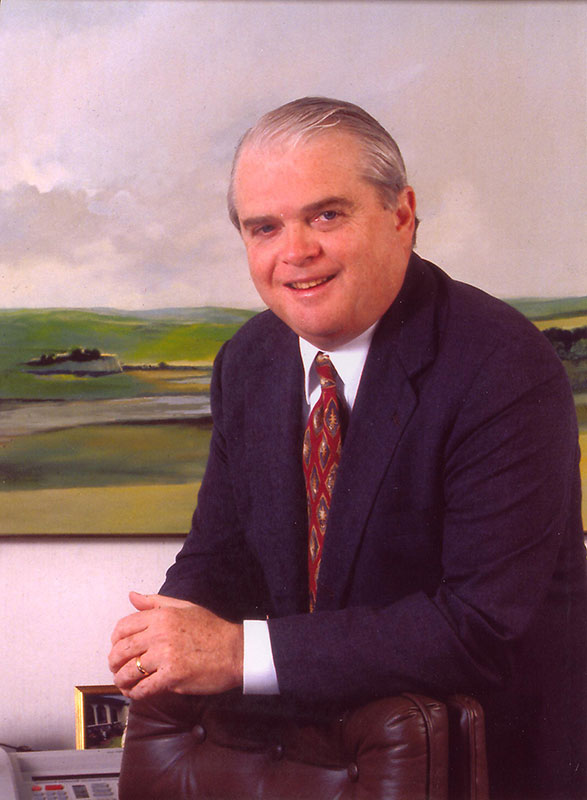
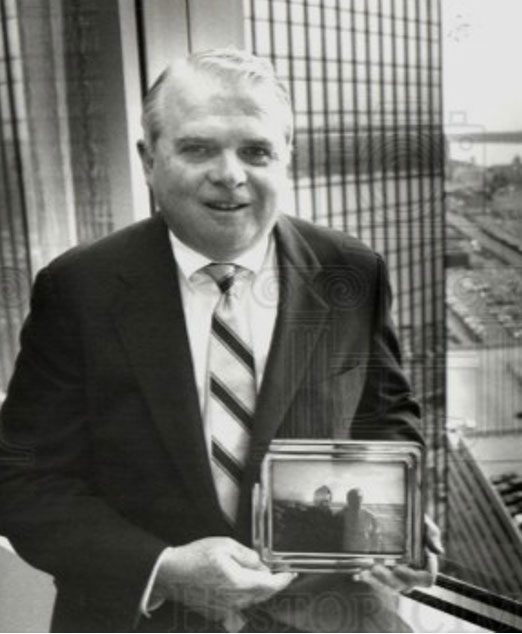
 Dan brought significant business experience to that mission. After attending University of Detroit High School, he graduated magna cum laude from the University of Notre Dame in 1957 with a degree in accounting. He began his career with the Detroit accounting firm George Bailey & Company, which later became part of Touche Ross. Dan eventually rose to become vice chairman of Deloitte & Touche, now Deloitte.
His career developed his expertise in leadership, strategic planning, financial stewardship, governance, and relationship-building. Those skills proved essential in transforming an ambitious idea into a sustainable organization.
Dan understood that compassion and vision needed to be supported by a sound business plan, strong governance, financial accountability, committed leadership, and long-term community investment. Although he did not claim to be a clinical expert, he clearly understood the need.
“I don’t pretend to be an expert in mental illness,” he said. “But no one has to be a rocket scientist to understand what we need, a center to help rehabilitate the mentally ill.”
Rose Hill Center was incorporated on October 18, 1989. Working alongside Rosemary, Virgil and Elisabeth Stucker, and other early leaders, Dan helped develop the organization’s clinical philosophy, business plan, fundraising strategy, agricultural program, and campus design.
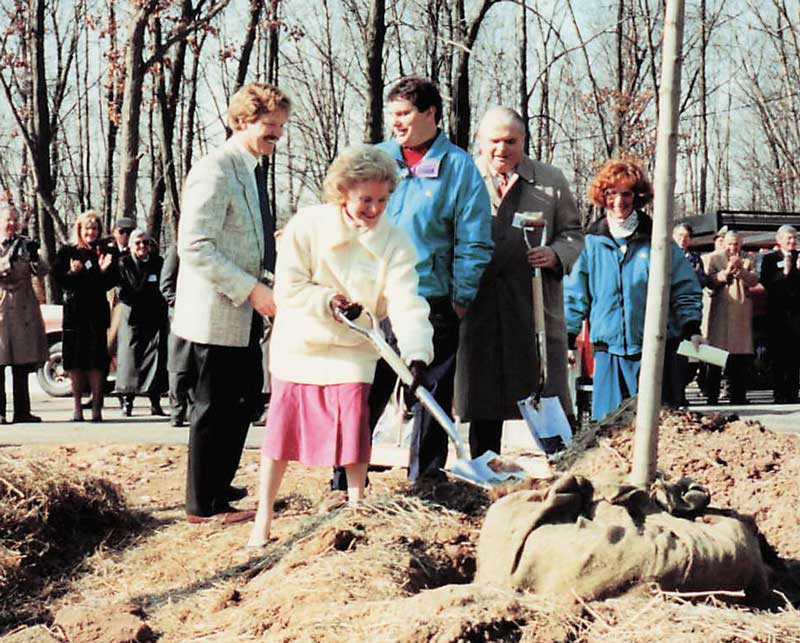
The founders selected 372 acres near Holly, Michigan, and purchased the property in August 1990, later expanding to over 400 acres. With its fields, woods, wetlands, and existing farm structures, the property offered the setting they envisioned for a therapeutic community centered on treatment, work, connection, and recovery.
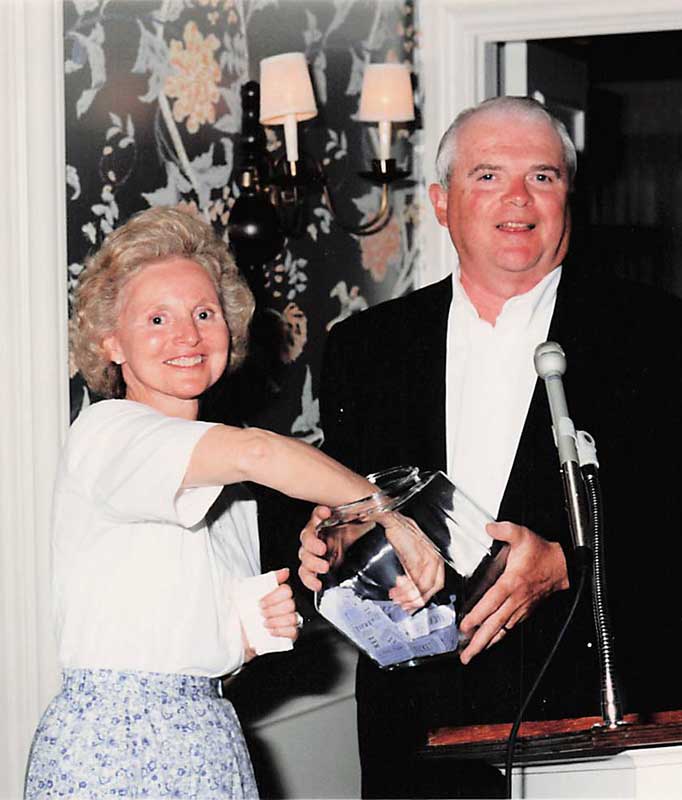 Creating Rose Hill required more than acquiring land and constructing buildings. Dan worked tirelessly to earn the trust of local officials, community members, mental health professionals, businesses, foundations, and government leaders.
When questions arose, Rose Hill responded with education and transparency. Community representatives were invited to visit Gould Farm to better understand the therapeutic-community model and see how it could benefit people with serious mental illness. Those early conversations helped establish relationships that remain important to Rose Hill today.
Dan also played a central role in securing the financial support needed to make Rose Hill a reality. Following the launch of a $5.3 million capital campaign in 1990, he met personally with prospective donors, business leaders, foundations, and community partners.
He did more than present a fundraising proposal. He shared his family’s experience and described a future in which people living with serious mental illness could receive effective care without losing their dignity, identity, or sense of purpose.
 “We rehabilitate people with broken legs in this country,” Dan said at the time. “Why don’t we do the same for broken minds?”
While the language used to discuss mental illness has evolved, the conviction behind Dan’s words remains central to Rose Hill: Mental illness deserves the same compassion, resources, rehabilitation, and opportunity for recovery as any other serious health condition.
As construction progressed, staff members, volunteers, and future residents worked together to restore buildings, prepare the farmland, and establish the rhythms of community life. From the beginning, Rose Hill reflected the belief that recovery is strengthened when people are given meaningful roles, shared responsibilities, and opportunities to contribute.
“We want to teach them basic living skills and how to work again,” Dan explained.
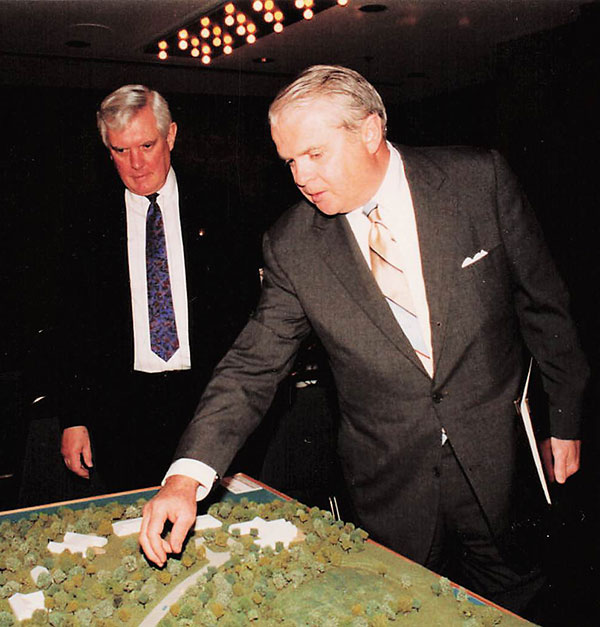 On May 11, 1992—exactly two years after the property purchase agreement was signed—Rose Hill Center welcomed its first residents. The original campus included residential homes, treatment facilities, community spaces, and pastoral work areas.
By early 1993, the capital campaign had been completed successfully with support from thousands of donors and a $500,000 challenge grant from The Kresge Foundation.
Rose Hill soon received national attention, including coverage by The Wall Street Journal, Reader’s Digest, and CNN. That recognition brought broader visibility to the belief at the heart of Dan and Rosemary’s work: With appropriate treatment, meaningful opportunities, and a supportive community, people living with serious mental illness can recover and lead productive, fulfilling lives.
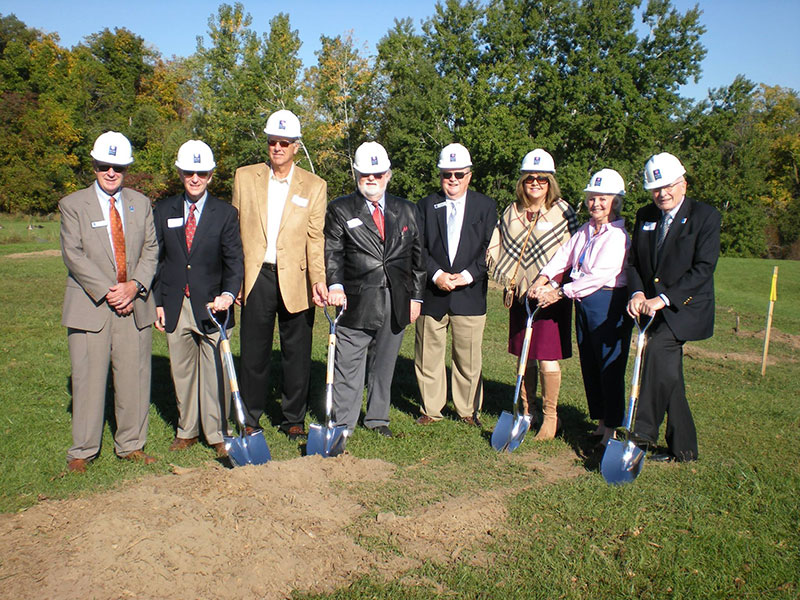 In December 2022, after more than 30 years as board chair, Dan supported the appointment of Charles J. “Chuck” Evans as his successor. The transition reflected Dan’s commitment to ensuring that Rose Hill would have the leadership, governance, and strategic direction needed to carry its mission into the future.
“Before joining the Rose Hill Center Board, I cared about the issue of mental illness, but I wouldn’t have described it as a personal passion,” Chuck reflected. “Like many people, I recognized it as one of society’s greatest challenges, yet I had little appreciation for what meaningful recovery could truly look like.
“That changed as I became more involved with Rose Hill. I saw firsthand that when people are treated with dignity and given purpose, meaningful work, community, and hope, lives can be transformed. I realized that Rose Hill was not simply another treatment program, it was a place where people genuinely get better.
“From that moment on, I became convinced that our responsibility was not only to preserve this remarkable organization, but also to ensure that more families could discover it and more individuals could benefit from it.”
When Dan decided it was time to step aside as board chair, he personally encouraged Chuck to consider succeeding him, stating “Chuck’s ideas keep Rose Hill moving forward, and his business leadership helps ensure we know where we’re going.”
“That endorsement, coming from the man whose vision had created Rose Hill alongside Rosemary, was one of the greatest honors of my life,” Chuck said. “Over the past four years, I have been fortunate to benefit from Dan’s wisdom, encouragement, and friendship as we worked together to guide the organization.”
The transition represented more than a change in board leadership. It was an important step in the succession planning Dan had worked to establish. By preparing Rose Hill to thrive beyond its founders, Dan demonstrated the same foresight and responsible stewardship that had guided the organization from its earliest days.
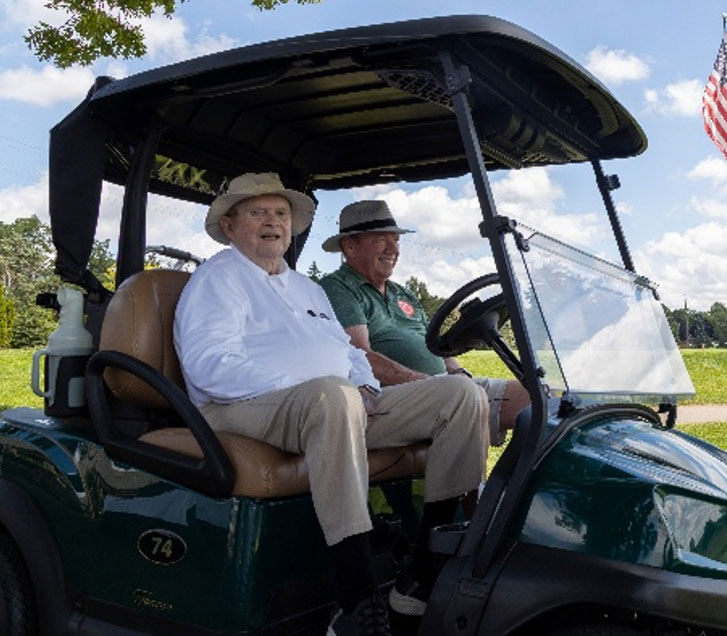 Following the transition, Dan remained actively involved with Rose Hill Center and the Rose Hill Foundation. He continued supporting fundraising initiatives, mentoring leaders, sharing Rose Hill’s story, and preserving its history for future generations.
As Rose Hill looks ahead, Chuck remains committed to honoring the foundation established by Dan and Rosemary while continuing to strengthen and expand the organization’s impact.
“Our responsibility is clear: to remain faithful to the mission and values Dan and Rosemary established while continuing to innovate, adapt, and grow to meet the changing needs of those we serve,” Chuck said. “Their legacy is not something to preserve in a museum—it is something to build upon.
“Our commitment is to ensure that Rose Hill remains the very best at helping people get better, bringing hope and recovery to even more individuals and families for generations to come.”
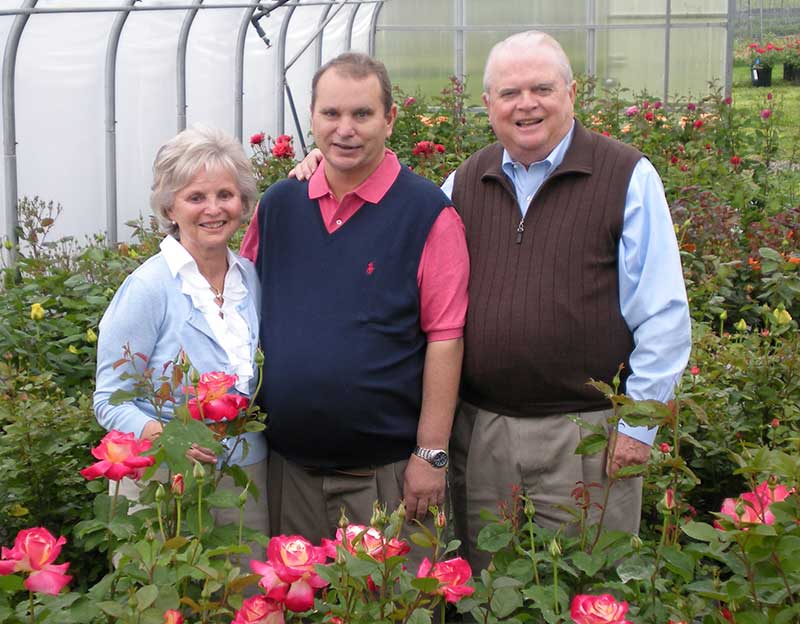 Throughout his life, Dan advocated for better mental health care and challenged the stigma surrounding mental illness. His leadership brought together staff, volunteers, donors, community partners, professionals, and families around a shared belief that every person deserves the opportunity to live with dignity and purpose.
Dan’s greatest legacy is not found in the buildings he helped construct, or the funds he helped raise. It is found in the lives transformed through Rose Hill Center, in residents who have achieved greater stability, rediscovered their strengths, formed friendships, returned to work or school, and developed greater independence.
It is also found in the families who discovered they were not alone.
Dan’s accomplishments as a business leader were significant, but Rose Hill grew from something even more powerful: a father’s love for his son. He used his experience, relationships, and leadership abilities to create the care he believed John deserved, and, in doing so, created new possibilities for thousands of other individuals and families.
Dan also understood that access to high-quality mental health treatment remained beyond the reach of many families. His vision extended beyond creating Rose Hill to making its care available to more people.
“It is our most sincere wish that Rose Hill will someday be able to provide treatment to people with mental illness, regardless of their financial circumstances,” he said.
Dan died on July 19, 2026, at the age of 90, peacefully, with his three daughters by his side. Rose Hill Center honors his life with profound gratitude and a renewed commitment to carrying forward the vision he and Rosemary established more than three decades ago.
Their legacy lives on in every resident served, every family supported, and every life changed. The greatest tribute to Dan is to continue the mission that began with his love for John—ensuring that Rose Hill remains a place where people living with serious mental illness are treated with dignity, encouraged to recognize their strengths, and supported in building meaningful lives.